
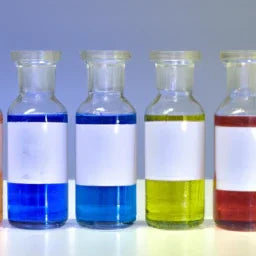
In the realm of scientific research and diagnostics, the accuracy of testing results heavily relies on the quality of lab reagents used. Researchers, lab technicians, and healthcare professionals consistently seek reliable lab reagents to ensure that their data and findings are trustworthy. However, with an overwhelming number of options available in the market, how do you select the most effective ones? This article provides an in-depth analysis of the top lab reagents for accurate testing results, addressing common challenges faced in laboratory settings, and presenting practical recommendations for selecting the right reagents for your specific needs.
Understanding Lab Reagents
Lab reagents are substances or compounds used in chemical reactions to detect, measure, or produce other substances. They are essential in various laboratory processes, including chemical analysis, biotechnology, and microbiology. The integrity of these processes is directly tied to the quality and suitability of the reagents employed.
Types of Lab Reagents
- Analytical Reagents: These are used for analyses and qualitative assessments. For instance, bromothymol blue is essential in acid-base titrations.
- Biological Reagents: These are crucial in biochemical assays. Enzymes, antibodies, and nucleic acids fall under this category.
- Inorganic Reagents: Commonly used in various applications, inorganic reagents include salts and acids such as sodium chloride and hydrochloric acid.
- Organic Reagents: Organic compounds like ethanol and acetone, used in extraction and purification processes, are significant organic reagents.
Criteria for Selecting Lab Reagents
Choosing the right lab reagents is critical for obtaining accurate test results. Key factors to consider include:
- Purity: Look for reagents with high purity levels to avoid contamination that might skew results.
- Stability: Reagents should be stable under storage conditions to ensure their effectiveness throughout their shelf life.
- Compatibility: Select reagents compatible with your specific application, equipment, and other reagents.
- Certification: Quality certifications, such as ISO or reagent grade, can provide confidence in the reagent's reliability.
Top Lab Reagents for Accurate Testing Results
The following reagents have been recognized for their overall effectiveness and reliability in various testing scenarios:
1. Sodium Chloride (NaCl)
Sodium chloride is a fundamental reagent widely used in biological and chemical laboratories. It serves numerous purposes, such as cell lysis in molecular biology and as an electrolyte in various solutions.
2. Ethanol
Ethanol is indispensable in laboratories for its role in extraction, sterilization, and as a solvent. Its purity greatly affects the accuracy of subsequent reactions, making high-grade ethanol preferable.
3. Ultra-pure Water
Water is an often-overlooked reagent; however, its quality is crucial. Using ultra-pure water for dilutions and as a solvent helps ensure that no contaminating ions interfere with test results.
4. Acetic Acid
Commonly utilized in biochemical applications, acetic acid's accuracy in titration processes ensures reliable pH measurements and cellular processes.
5. Buffer Solutions
Buffers are vital for maintaining pH levels in biochemical assays. Reliable buffer solutions support accurate enzymatic activity measurements.
Best Practices for Storing Lab Reagents
Proper storage of lab reagents is essential to maintain their integrity. Here are best practices:
- Labeling: Always label reagents with the product name, concentration, and expiration date.
- Temperature Control: Store reagents at the recommended temperatures to prevent degradation.
- Airtight Containers: Use airtight containers to protect reagents from moisture and air exposure.
- Regular Inventory Checks: Regularly check reagents for expiration and conditions to ensure all substances are usable.
Conclusion
The accuracy of laboratory testing results heavily depends on the quality and appropriateness of the selected lab reagents. By understanding the types of reagents, criteria for selection, and best storage practices, researchers and lab technicians can significantly enhance the reliability of their findings. Investing in high-quality reagents is vital for any reliable and successful lab.
Ready to ensure the highest accuracy in your testing results? Explore our range of premium lab reagents today!