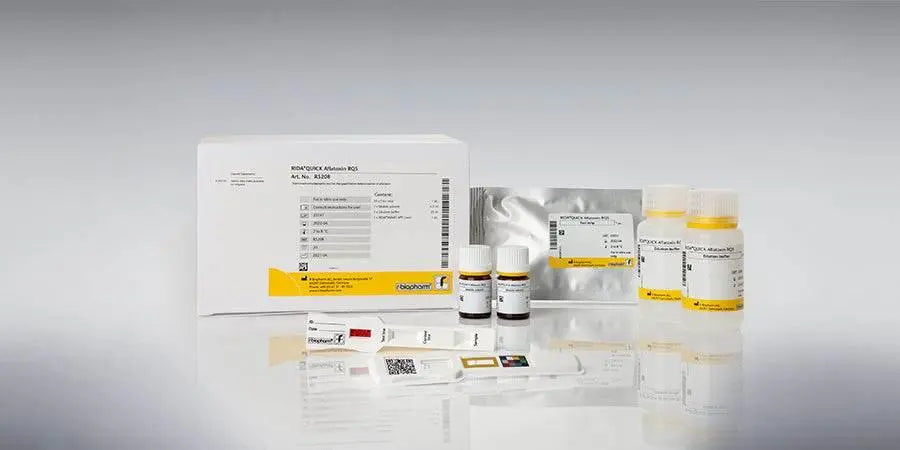
Understanding Aflatoxin Tests
Aflatoxin: Monitoring and Analysis
Importance of monitoring aflatoxins
Aflatoxins are secondary metabolites produced by the fungi species Aspergillus flavus, Aspergillus parasiticus, and Aspergillus nomius, which thrive in humid tropical areas. Even at low concentrations, aflatoxins are highly toxic and are among the most potent naturally occurring carcinogenic substances.
What Are Aflatoxins?
Aflatoxins are toxic compounds produced by certain molds that can grow on food such as grains and nuts. They are dangerous because they can lead to serious health problems, including liver cancer. Aflatoxin tests are essential for identifying these toxins in food products, so we can ensure they are safe for consumption. Testing helps producers and consumers know if food items are contaminated, thus preventing health risks.
How Are Aflatoxin Tests Conducted?
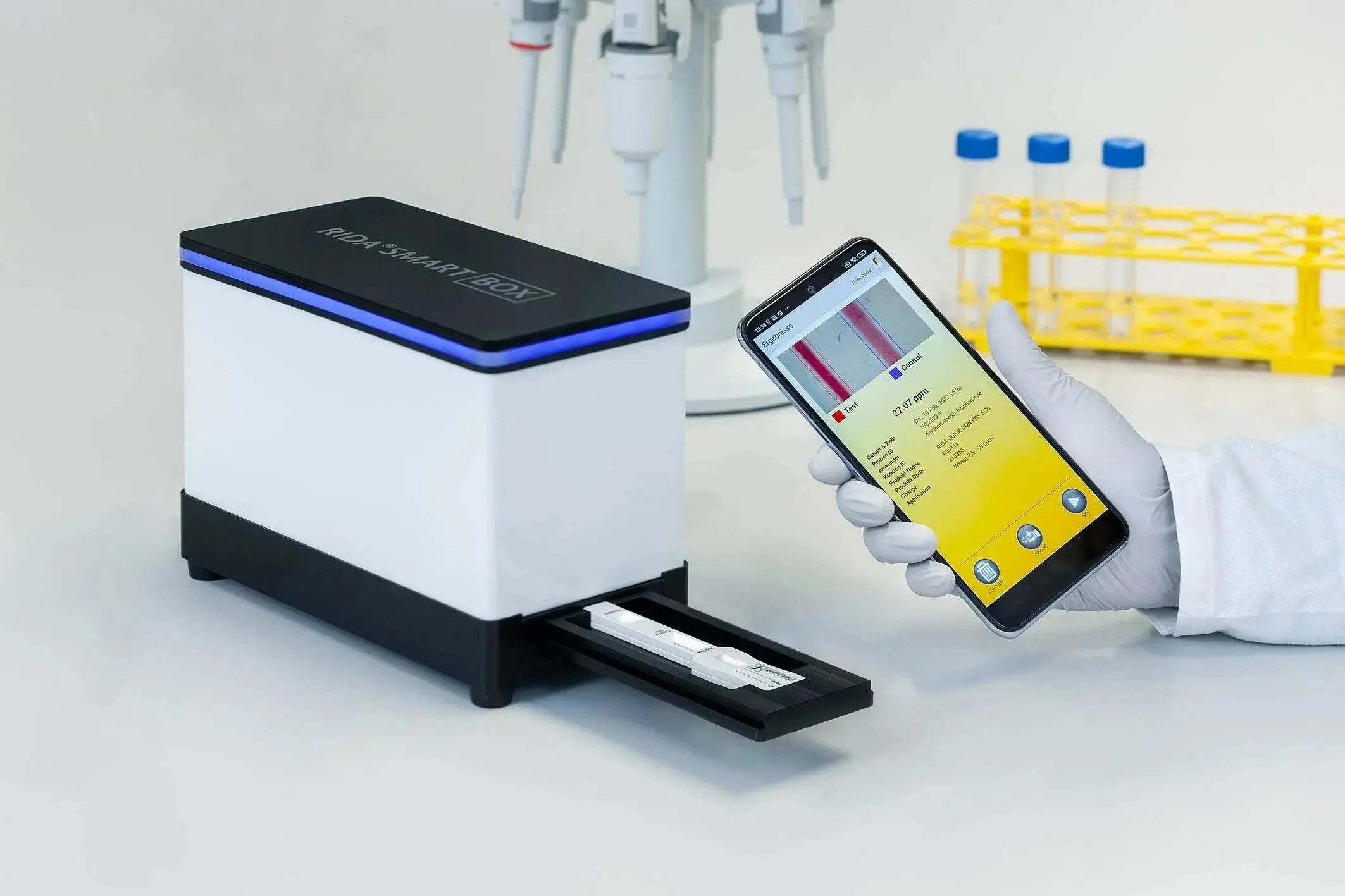
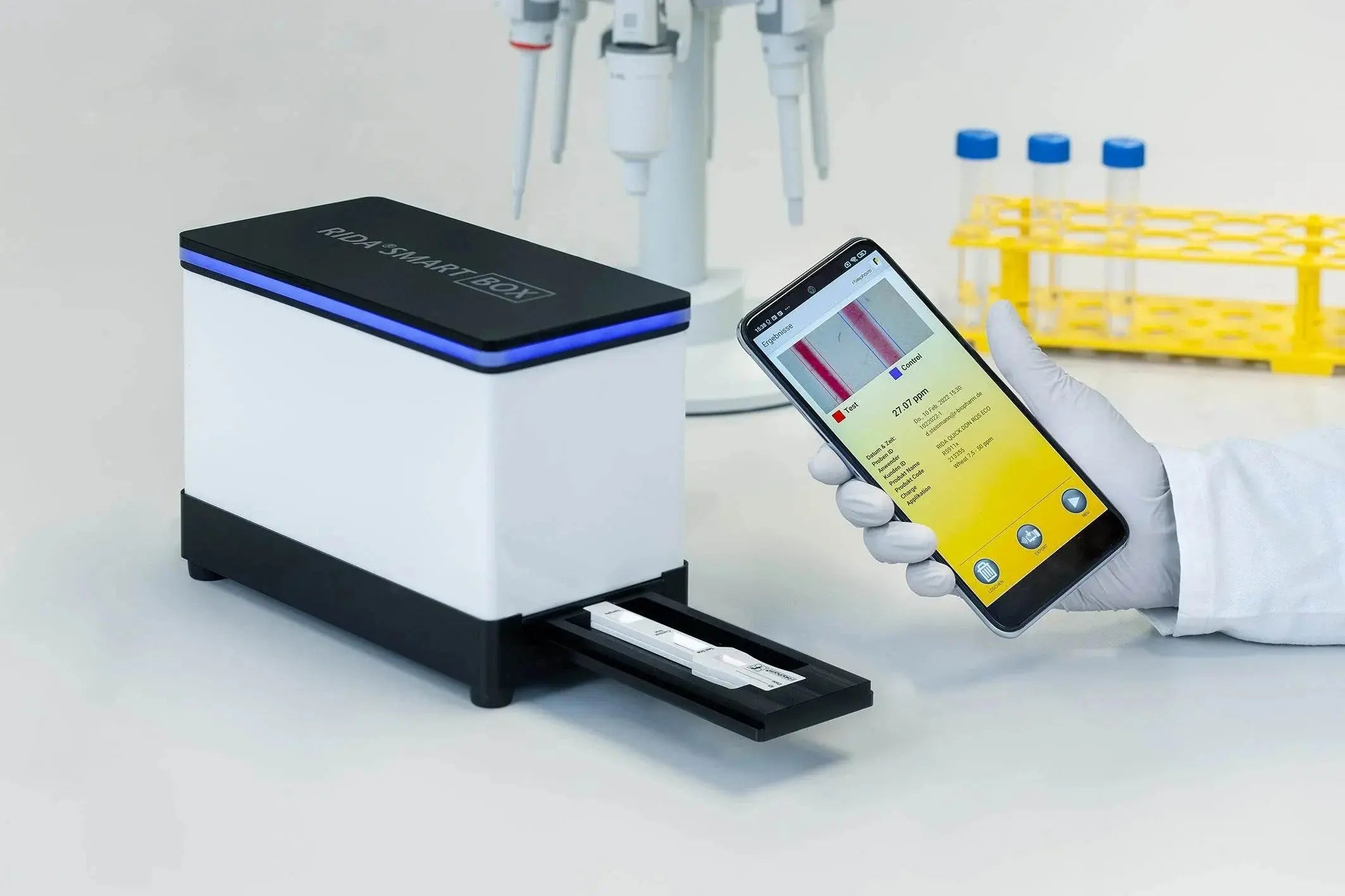
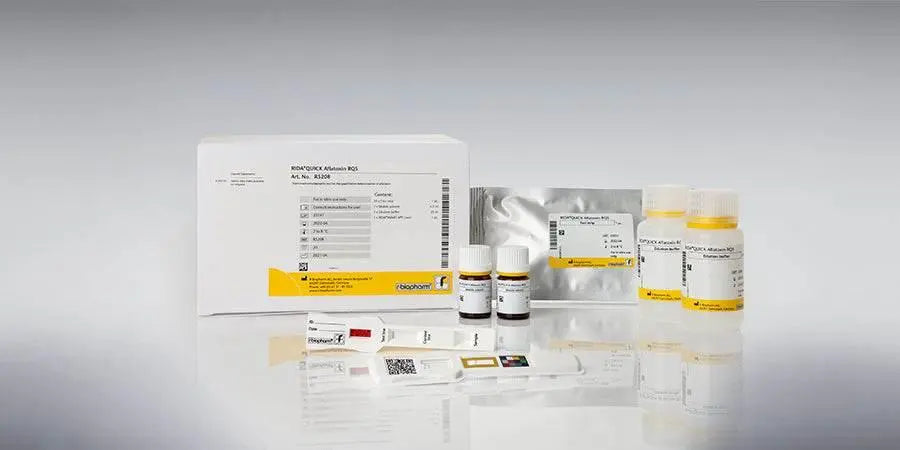
Aflatoxin tests are performed using various methods, including chromatography and enzyme-linked immunosorbent assay (ELISA). These tests are designed to detect and quantify the levels of aflatoxins in food samples. When food products are tested, the results can inform producers about the safety of their items. This is especially important for businesses, as failing a test can lead to recalls and loss of reputation.
Why Are Aflatoxin Tests Important?
Aflatoxin tests play a crucial role in food safety because they protect public health. By regularly testing food, suppliers can identify and eliminate contamination before products reach consumers. This means we can enjoy safer food, and manufacturers can comply with safety regulations. Additionally, these tests can help maintain the quality of food products in the market, which is good for business.