
Why this topic matters
Easy Plate film media for routine microbial enumeration products are routine purchases for food processors, beverage manufacturers, water-testing labs, cosmetics QC teams, and environmental monitoring programs, but small differences in target organism, sample matrix, format, storage, documentation, and intended use can create delays after the order is placed. This article focuses on Easy Plate product selection so the product links and buying considerations stay consistent.
This guide is written for procurement teams, laboratory supervisors, QA teams, and technical buyers who need a practical way to compare products online. It does not replace manufacturer instructions, validation requirements, or local regulatory requirements. It is a technical purchasing checklist that helps reduce missing information, unclear documentation, and avoidable back-and-forth with suppliers.
Start with the laboratory workflow
Before selecting a product, define the exact workflow it supports. For industrial microbiology this may include raw-material screening, in-process hygiene monitoring, finished-product release support, water quality checks, environmental monitoring, bioburden testing, selective enrichment, enumeration, or confirmation support.
The product name alone is not enough. Buyers should compare the target organism, sample matrix, product type, manufacturer, catalog reference, pack size, storage requirements, shelf life, incubation workflow, and any included documentation. When these details are visible before ordering, the laboratory can make a faster and more defensible purchasing decision.
Workflow map
A technical review should map the product into the complete analytical sequence instead of evaluating it as a standalone supply. The sequence normally starts with sampling plan, sample transport, hold time, sample homogenization or filtration, dilution, neutralization, plating or inoculation, incubation, colony reading or endpoint interpretation, confirmation, result calculation, review, and record retention.
- Define the sample unit, hold time, storage temperature, and maximum time from collection to test start.
- Specify whether the method is enumeration, presence/absence screening, enrichment, confirmation, susceptibility testing, or environmental trend monitoring.
- Document the inoculum volume, dilution scheme, membrane or spread method, incubation atmosphere, incubation temperature, incubation time, and reading window.
- Define what counts as a reportable colony, presumptive colony, non-target colony, spreader, confluent plate, unreadable plate, or invalid result.
- Identify which result requires confirmation, repeat testing, resampling, QA review, hold-and-release action, or supplier notification.
Technical focus points
For this topic, pay special attention to sample throughput, space saving, pre-dosed film media, incubation workflow, colony readability, target organism selection, inventory footprint, and confirmation requirements. These details determine whether a product is simply available online or genuinely suitable for the lab's SOP, analyst capacity, and quality records.
Industry use cases for Easy Plate
Food processors can evaluate film media for incoming-material checks, in-process hygiene monitoring, finished-product release support, allergen-cleaning verification support programs, sanitation trend reviews, and environmental monitoring around drains, fillers, slicers, conveyors, and packaging areas. The important technical question is whether the organism target and incubation workflow match the plant's hazard analysis, internal specifications, and release timeline.
Water and beverage laboratories may evaluate film media for indicator organism and spoilage monitoring where the product IFU and internal SOP allow that workflow. The lab should define whether samples are potable water, process water, rinse water, bottled water, beverage concentrates, or finished beverages because chlorine residuals, carbonation, acidity, high sugar, preservatives, and filtration steps can affect recovery or colony readability.
Cosmetics and personal-care QC teams often care about bioburden, yeast and mold, hygiene indicators, and preservative-resistant organisms. Format selection should account for preservatives, surfactants, oils, pigments, viscosity, neutralizers, sample dilution, and confirmation planning. A film format can simplify routine enumeration, but method owners still need to document how the matrix is dispersed, neutralized, diluted, plated, incubated, and read.
How Easy Plate compares with common alternatives
Easy Plate should be compared with other routine enumeration formats at the method-execution level: conventional agar plates, 3M Petrifilm-style film plates, and Compact Dry-style ready-to-use plates. A useful comparison looks at sample application, hydration state, spreading or diffusion behavior, incubation handling, stack height, colony contrast, confirmation requirements, analyst training, and whether the format can be introduced without weakening the laboratory's documented method controls.
The competitive edge for film media is operational and technical: compact inventory, pre-dosed media chemistry, fewer agar-preparation steps, less incubator and refrigerator space pressure, simpler transport between satellite sampling points and the main lab, and easier stock planning for routine hygiene and indicator organism monitoring. These advantages are strongest when the lab has repetitive, high-volume enumeration work and wants fewer manual media-preparation variables.
- Easy Plate AC supports general viable bacterial count workflows where total aerobic count trend data are used for hygiene, release support, or process monitoring.
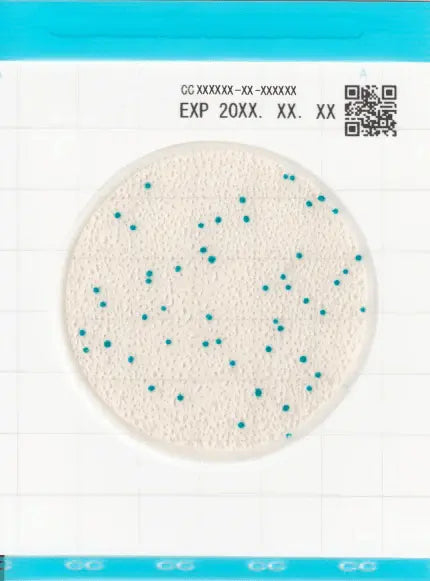
- Easy Plate CC and EC support coliform and E. coli count workflows, which are often used as hygiene, process-control, or water-quality indicators.
- Easy Plate SA supports Staphylococcus aureus count workflows where the lab needs a defined target organism screen and follow-up confirmation plan.
- Easy Plate YM-R supports yeast and mold count workflows, especially where slow-growing organisms, preservative systems, and product matrix effects must be considered.
- Easy Plate EB supports Enterobacteriaceae count workflows for process hygiene, raw-material review, and environmental trend programs.
Technical comparison points
- Against conventional agar plates: compare media preparation, sterilization or receiving checks, plate drying, condensation, stack height, waste volume, and batch-to-batch preparation variability.
- Against 3M Petrifilm-style plates: compare organism target, sample loading workflow, interpretation guide, storage conditions, available pack sizes, and whether analysts need retraining for colony morphology differences.
- Against Compact Dry-style plates: compare hydration behavior, plate rigidity, incubator footprint, sample spreading, colony contrast, and how the format fits current SOP language.
- Against any alternative: confirm recovery expectations, confirmation steps, counting range, dilution scheme, incubation conditions, and whether internal verification is required before routine use.
Matrix and interference risks
Sample matrix is one of the main reasons a theoretically suitable medium performs poorly in routine use. Food, beverage, water, cosmetics, pharmaceutical, and environmental samples can bring inhibitors, competing flora, particulate load, pigments, acidity, osmotic stress, disinfectant residues, preservatives, surfactants, oils, or background organisms that interfere with recovery and interpretation.
- High-fat and high-protein foods may require stronger homogenization controls and can create colony spreading or background opacity.
- Acidic beverages and fermented products may stress organisms before plating, so dilution and recovery conditions should be reviewed carefully.
- Chlorinated or sanitized water samples may require neutralization before organisms are exposed to the medium.
- Cosmetic matrices may contain preservatives, surfactants, oils, pigments, or powders that require neutralizers and dilution controls.
- Environmental swabs can carry disinfectant residue and heavy background flora, so selective pressure and confirmation planning matter.
Controls and acceptance checks
A more technical purchasing decision should define what the laboratory will check when a new lot, format, or product enters routine use. The exact controls depend on the laboratory's quality system and manufacturer instructions, but the product file should make the expected review visible before the first order is placed.
- Receiving checks: product name, catalog number, lot number, expiry, package integrity, storage condition on arrival, and temperature exposure concerns.
- Document checks: current SDS/MSDS, IFU, COA or certificate, technical sheet, storage condition, shelf life, and any lot-specific document required by the lab.
- Performance checks: positive control, negative control, sterility or blank control, expected colony appearance, incubation window, and recovery review where required.
- Method checks: sample volume, dilution range, neutralizer compatibility, counting range, confirmation rule, calculation approach, and reporting unit.
- Continuity checks: whether the new lot or format changes analyst training, SOP wording, LIMS code, approved supplier file, or record-retention requirements.
Failure modes to watch
Technical blogs should help the buyer prevent real laboratory problems. The common failure modes are rarely dramatic; they are small mismatches that produce invalid plates, slow QA review, or results that cannot be defended during an audit.
- Ordering a similar-sounding medium that lacks the required supplement, neutralizer, format, irradiation status, or intended-use statement.
- Using a product outside the reading window and then comparing results with historical data generated under a different incubation schedule.
- Switching from conventional agar to pads, ready-to-use plates, or film media without documenting colony morphology, confirmation rules, or analyst training.
- Ignoring preservatives, disinfectants, low pH, high salt, high sugar, or particulate load that can suppress recovery or make colonies difficult to read.
- Failing to capture lot-specific documentation before the product is consumed, leaving QA without the records needed for release or audit review.
Documentation to verify before ordering
For professional laboratories, documentation can be as important as the item itself. Before ordering, verify whether the current SDS/MSDS, IFU, certificate, COA, technical sheet, storage information, and shelf-life information are available or can be requested. The required documents may vary by product, country, lot, and laboratory quality system.
- Check whether the manufacturer catalog reference is clearly listed.
- Confirm the pack size and unit of sale.
- Match the product to the target organism, sample matrix, and incubation workflow.
- Review storage conditions before shipment and after receipt.
- Ask whether lot-specific documents are required for your records.
- Confirm suitability with the manufacturer instructions before use.
How to compare similar products
When two products look similar, compare them using operational criteria instead of price alone. The most useful comparison points are intended use, target organism, sample matrix, format, preparation requirements, shelf life, documentation availability, and whether the product fits the laboratory's current SOP. A cheaper item can become more expensive if it delays internal approval, requires extra preparation, or lacks the documentation needed by QA.
For repeat purchases, keep a short approved-product note that includes the manufacturer, catalog reference, accepted alternatives, required documents, and the internal owner who approved the item. This helps purchasing staff reorder consistently and helps new team members understand why a specific item is preferred.
Implementation notes
When a laboratory introduces a new media format or supplier, the implementation plan should be explicit. The method owner should decide whether the change is like-for-like, a new format under the same method, a supplier substitution, or a method change that requires internal verification. That decision affects training, controls, documentation, trend comparability, and QA approval.
- Create an approved-product record with product title, manufacturer, catalog number, storage condition, expiry rule, document links, and accepted use case.
- Attach the product to the relevant SOP, test code, sample matrix, target organism, incubation condition, and confirmation rule.
- Record whether historical trend data can be compared directly or whether the change needs a transition note.
- Train analysts on preparation, inoculation, incubation, reading, colony selection, invalid-result rules, and documentation capture.
- Define reorder triggers based on shelf life, average monthly use, minimum stock, lot preference, and backup alternatives.
Related products to review
- Easy Plate YM-R (Prepared media plate yeast and mold count (Rapid Type)) Culture 503010128
- Easy Plate CC (Film medium for coliform count) Culture Media 503010125
- Easy Plate EB (Film medium for Enterobacteriaceae) Culture Media 503010129
- Easy Plate EC (Film medium for E. coli counts) Culture Media 503010126
- Easy Plate SA (Film medium for Staphylococcus aureus count) Culture Media 503010127
- Easy Plate AC (Film medium for general viable bacterial count) Culture Media 503010124
Procurement checklist
- Match the product to the exact laboratory workflow.
- Verify manufacturer, catalog reference, and pack size.
- Confirm the target organism, method stage, sample matrix, and incubation workflow.
- Check SDS/MSDS, IFU, COA, certificates, or technical sheets when needed.
- Confirm storage, shelf life, and shipping requirements.
- Review whether the item is for professional laboratory use only.
- Keep records of approved alternatives for urgent orders.
FAQ
Can product documentation vary by lot?
Yes. Some documents, especially certificates or COAs, may be lot-specific. Always verify current documentation before use when your laboratory quality system requires it.
Should price be the main factor when comparing laboratory products?
Price matters, but it should be evaluated with documentation, suitability, storage, shelf life, and workflow fit. Missing information can create delays that cost more than the price difference.
Can this guide replace manufacturer instructions?
No. Manufacturer IFUs, SDS/MSDS documents, technical sheets, and local requirements should always be followed.