
BLOG
ANTIBIOTIC TEST - Device for the evaluation of residual antimicrobial power in 8: practical use in clinical microbiology and result interpretation
For labs working in clinical microbiology, this post positions ANTIBIOTIC TEST - Device for the evaluation of residual antimicrobial power in 8 around the real bench question: how to recover, read, and document urine culture differentiation without treating the medium as a generic consumable.
Environmental Qc guide: where Lauryl Sulfate Tryptose Broth Modified (m-LST) ISO 22964 610247 fits in the workflow
Lauryl Sulfate Tryptose Broth Modified (m-LST) ISO 22964 610247 is reviewed as a practical option for surface hygiene monitoring in environmental QC. Focus: where it fits, what the analyst should read, and which storage or documentation checks matter before routine use.
Improving lab decisions in spoilage testing using Dichloran Glycerol (DG 18) Agar Base w/Chloramphenicol 610401
Dichloran Glycerol (DG 18) Agar Base w/Chloramphenicol 610401 is discussed from sample handling through result review, with emphasis on yeast and mold recovery, confirmation needs, and procurement details that affect routine microbiology work. Key result note: Select plates containing <150 colonies/propagules/germs.
When to choose Sulfite indole motility agar (SIM agar) acc. to ISO 15213 610062 for surface hygiene monitoring
Sulfite indole motility agar (SIM agar) acc. to ISO 15213 610062 is reviewed as a practical option for surface hygiene monitoring in environmental QC. Focus: where it fits, what the analyst should read, and which storage or documentation checks matter before routine use.
Method-focused review of MIDDLEBROOK 7H11 Agar Base 610213 for mycobacteria isolation
This article connects MIDDLEBROOK 7H11 Agar Base 610213 to Middlebrook culture workflows workflows: application fit, result reading, preparation points, limitations, and the documentation a buyer or QC analyst should verify. Key result note: Examine weekly for growth, pigment production and colony morphology. Carry.
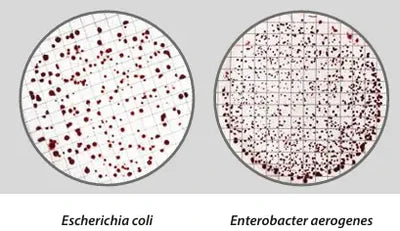
Aerobic Plate Count Testing: The First Line of Defense in Food Safety
Detecting Coliforms in Food Production: A Smarter Approach with Chromogenic Media
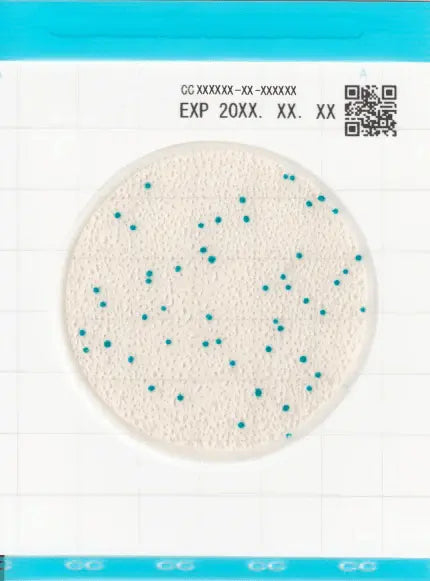
How Easy Plate film media can reduce space, preparation steps, and handling complexity in QC labs
When to use ready-to-use products versus dehydrated formats in laboratory documentation and compliance
Storage, shelf life, and lot documentation considerations for microbiology culture media
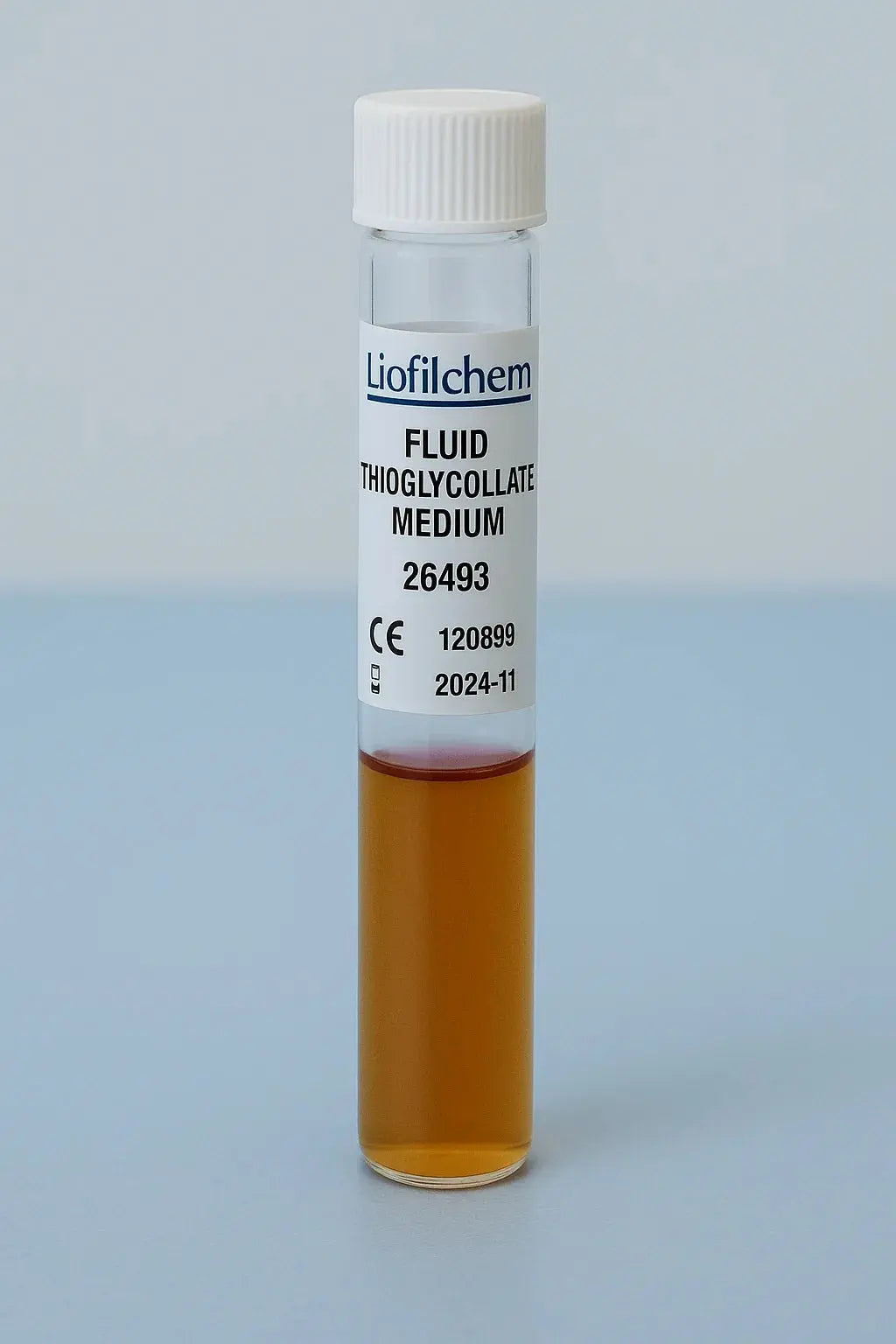
How Pharmaceutical Companies Use Liofilchem Media for Sterility Testing
Ensuring that medicines are safe and free of any harmful microorganisms is critical in the pharmaceutical world. The sterility testing of pharmaceutical products USP sets the standard for this process, with Liofilchem media playing a vital role in upholding quality and safety for patients everywhere.
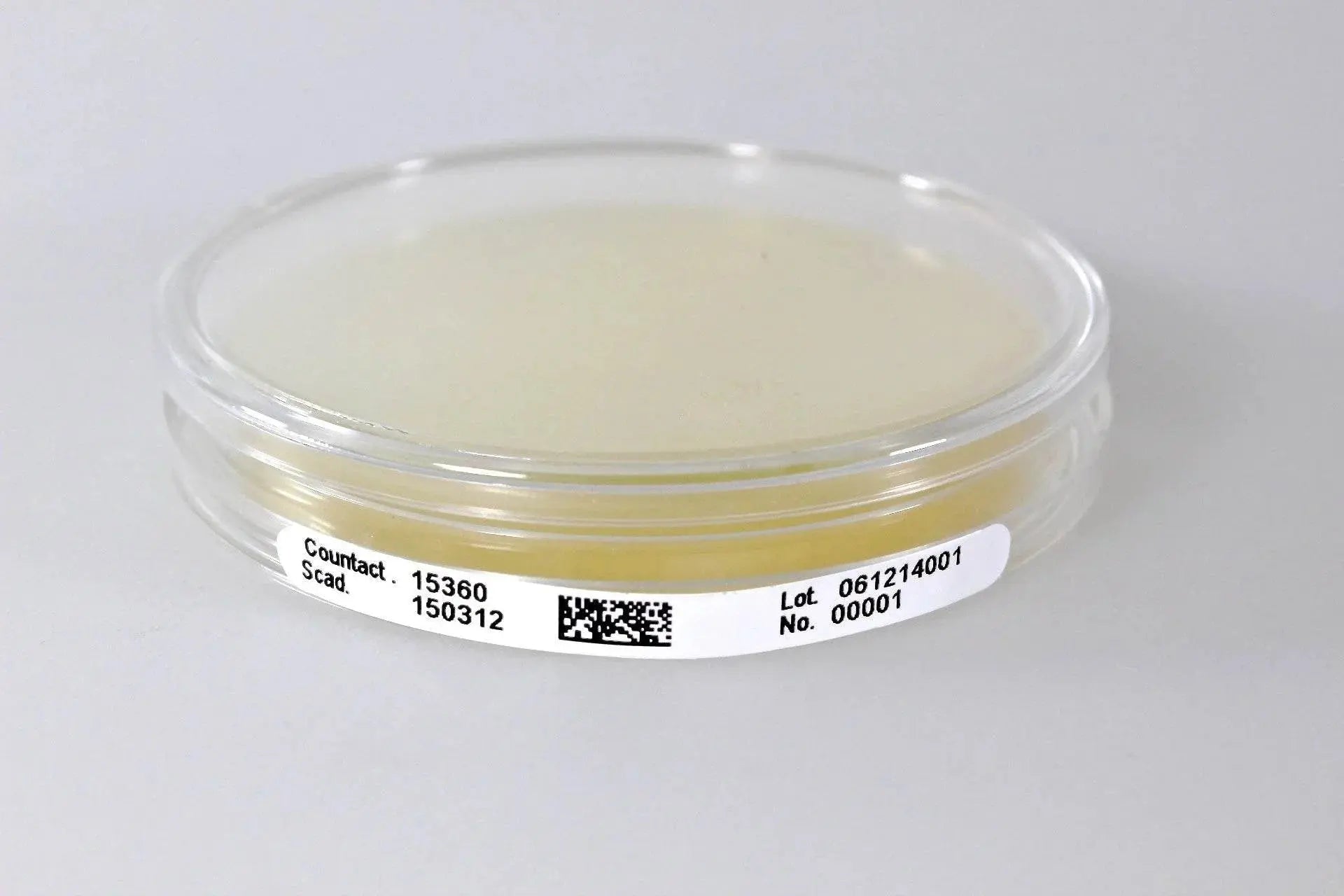
Contact Plates vs. Dipslides: Which Is Better for Your Sanitation Program?
Curious about keeping your facility spotless and your sanitation program effective? When it comes to monitoring surface hygiene, two popular tools—contact plates and dipslides—often enter the conversation. Which one truly fits your needs? Let's break down the differences so you can make an informed choice.