

Description
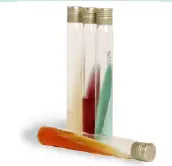
Liofilchem Azide Dextrose Broth 10 mL Culture Media 20114
Liofilchem Azide Dextrose Broth 10 mL Culture Media 20114 is a Liofilchem Microbiology Culture Media for microbiology culture and organism detection workflows.
TS20114. ______________________________________________________________________________________________________________________________________________________________________ . Description. AZIDE DEXTROSE BROTH is a selective medium for the detection of enterococci in water and sewage. The presence of enterococci serves as indicator for faecal contamination, particularly when this took place a long time ago and the less resistant coliform bacteria, including E.coli, may be already dead when the analysis is carried out.. Principle. Beef extract and tryptose are sources of nitrogen, carbon, vitamins, minerals and amino acids. Glucose is the.
Key specifications
- Brand / Manufacturer: Liofilchem
- Manufacturer Catalog No.: 20114
- Product Type: Microbiology Culture Media
- Pack / Size: 10/pack
- Product Category: Business & Industrial > Science & Laboratory > Laboratory Chemicals
- Application: microbiology culture and organism detection workflows
- Use: Professional laboratory use only unless otherwise stated by the manufacturer.
Documentation
Documentation noted for this item: MSDS IFU Request a QC certificate for a Batch no. Confirm the latest SDS/MSDS, IFU, certificate, COA, or technical sheet before purchase when required for your laboratory documentation process.
For storage conditions, product documentation, or any additional technical details, please contact us and we will be happy to provide the available information.
Payment & Security