


Description
Description
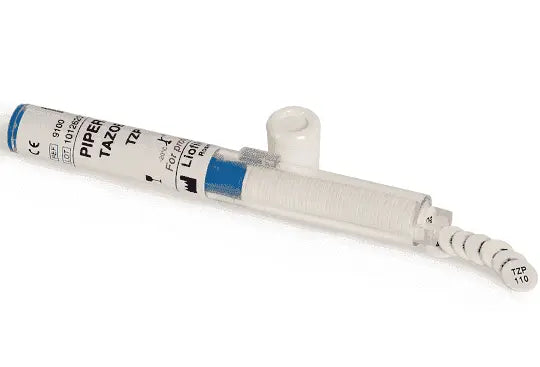
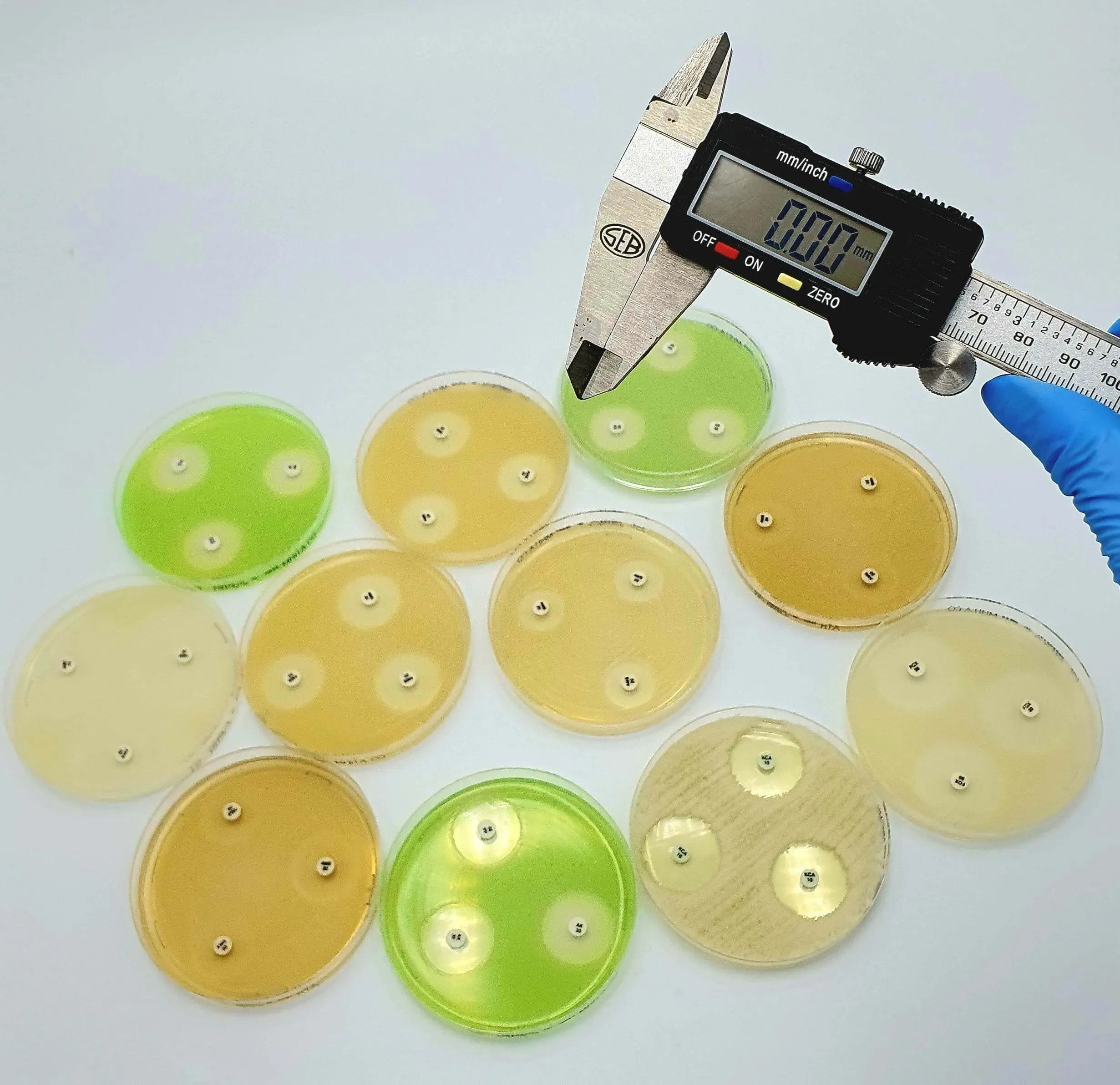
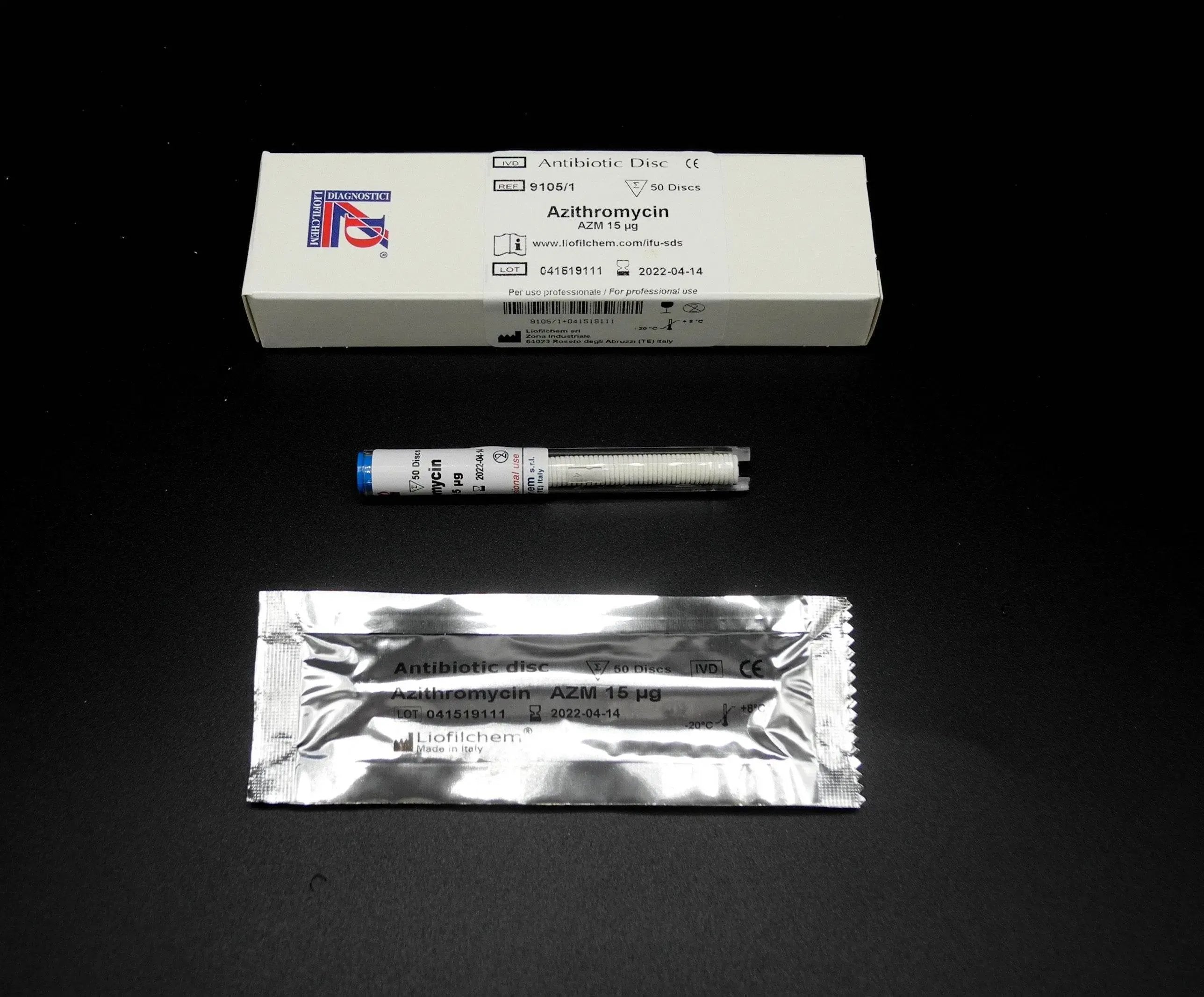
Fluconazole FLU 25 µg Antifungal Discs are high-quality paper discs impregnated with a standardised concentration of antifungal agent, designed for the in vitro susceptibility testing of yeasts by the CLSI disk diffusion method (CLSI Guideline M44, 3rd ed.). The range covers 18 antifungal agents including azoles, polyenes, echinocandins, and antimetabolites, providing comprehensive coverage for clinical and research mycology laboratories. Each disc is manufactured in compliance with WHO and FDA specifications and undergoes rigorous quality control using CLSI reference strains (Candida albicans ATCC 90028, Candida parapsilosis ATCC 22019, Candida tropicalis ATCC 750, and Candida krusei ATCC 6258). Inhibition zone diameters are interpreted against validated CLSI breakpoints to classify isolates as Susceptible, Susceptible-Dose Dependent, Intermediate, or Resistant.
Test Procedure
- Allow discs to equilibrate to room temperature before opening the container (cartridge or canister) to minimise condensation on the discs, which could affect long-term stability
- Prepare a suspension of the test organism to the density of a 0.5 McFarland turbidity standard for Candida spp. and 1 McFarland for C. neoformans
- Immerse a sterile swab in the suspension and squeeze it against the wall of the tube to remove excess liquid
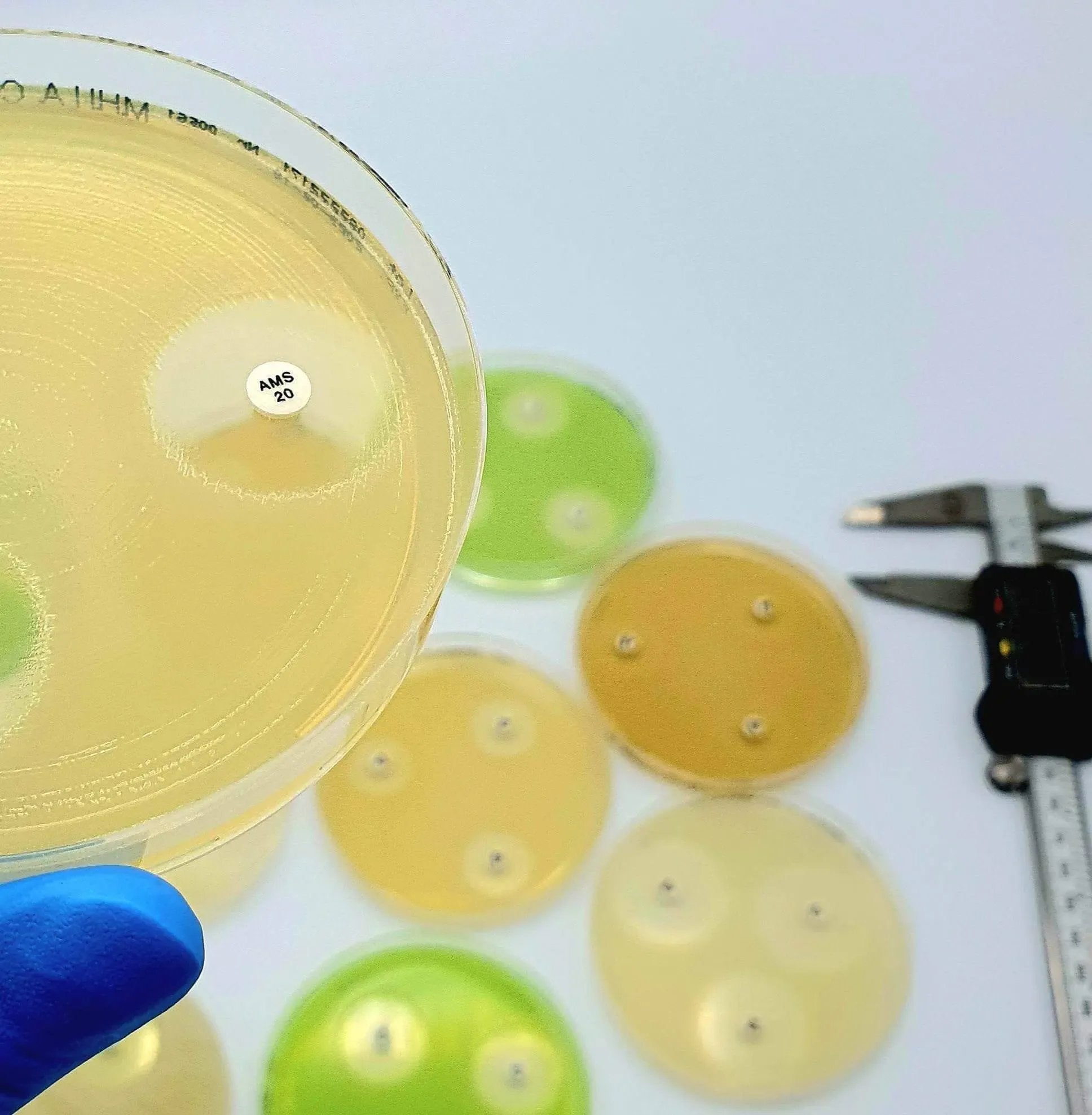
- Drag the swab across the surface of the susceptibility test medium for yeasts (Mueller Hinton Agar + Glucose + Methylene Blue)
- Position the antifungal discs within 15 minutes of inoculating the plates, pressing firmly onto the agar surface with sterile pliers
- Incubate the plate within 15 minutes of depositing the discs at 35 ± 2°C for 24 hours
- Read at 48 hours only when insufficient growth is observed after 24 hours of incubation
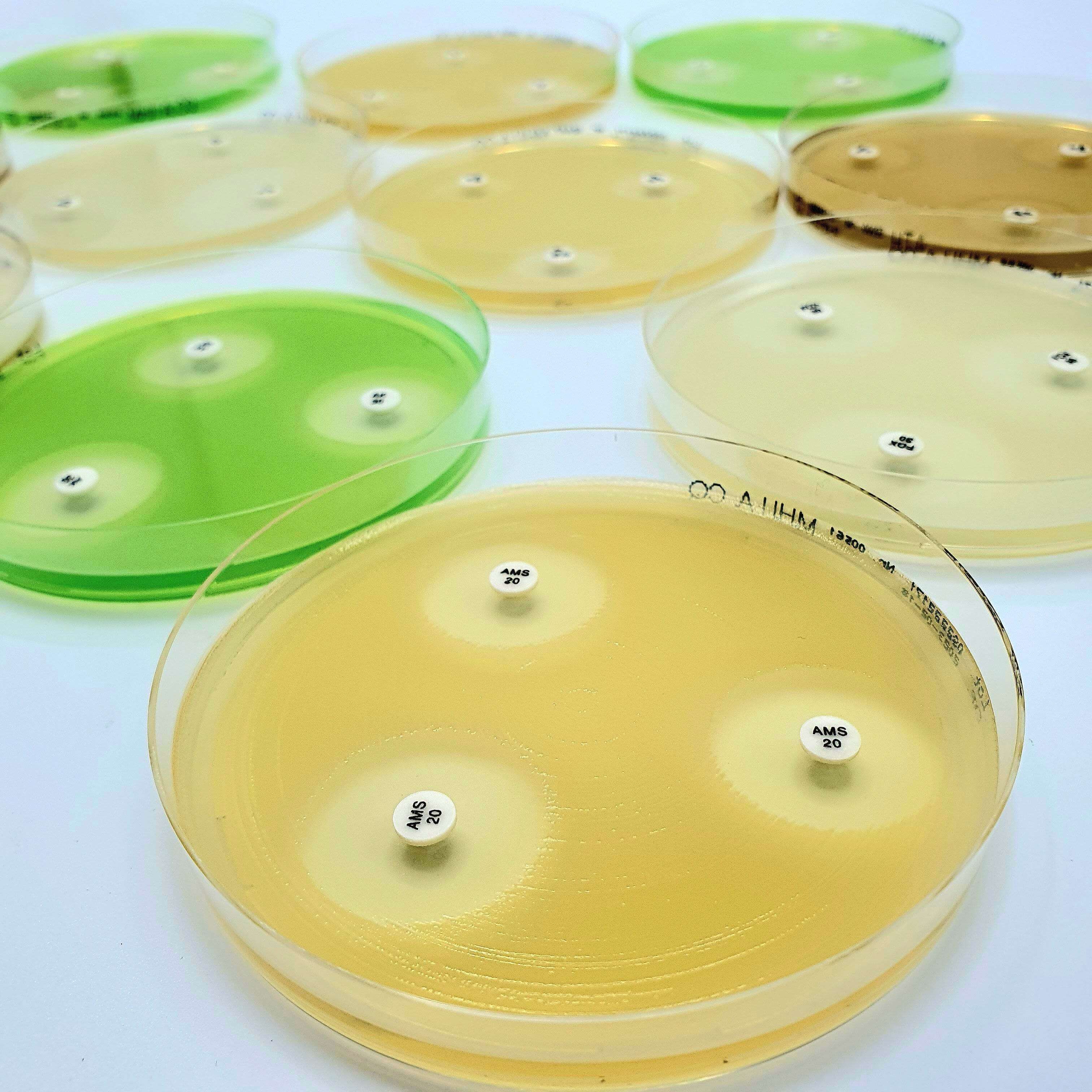
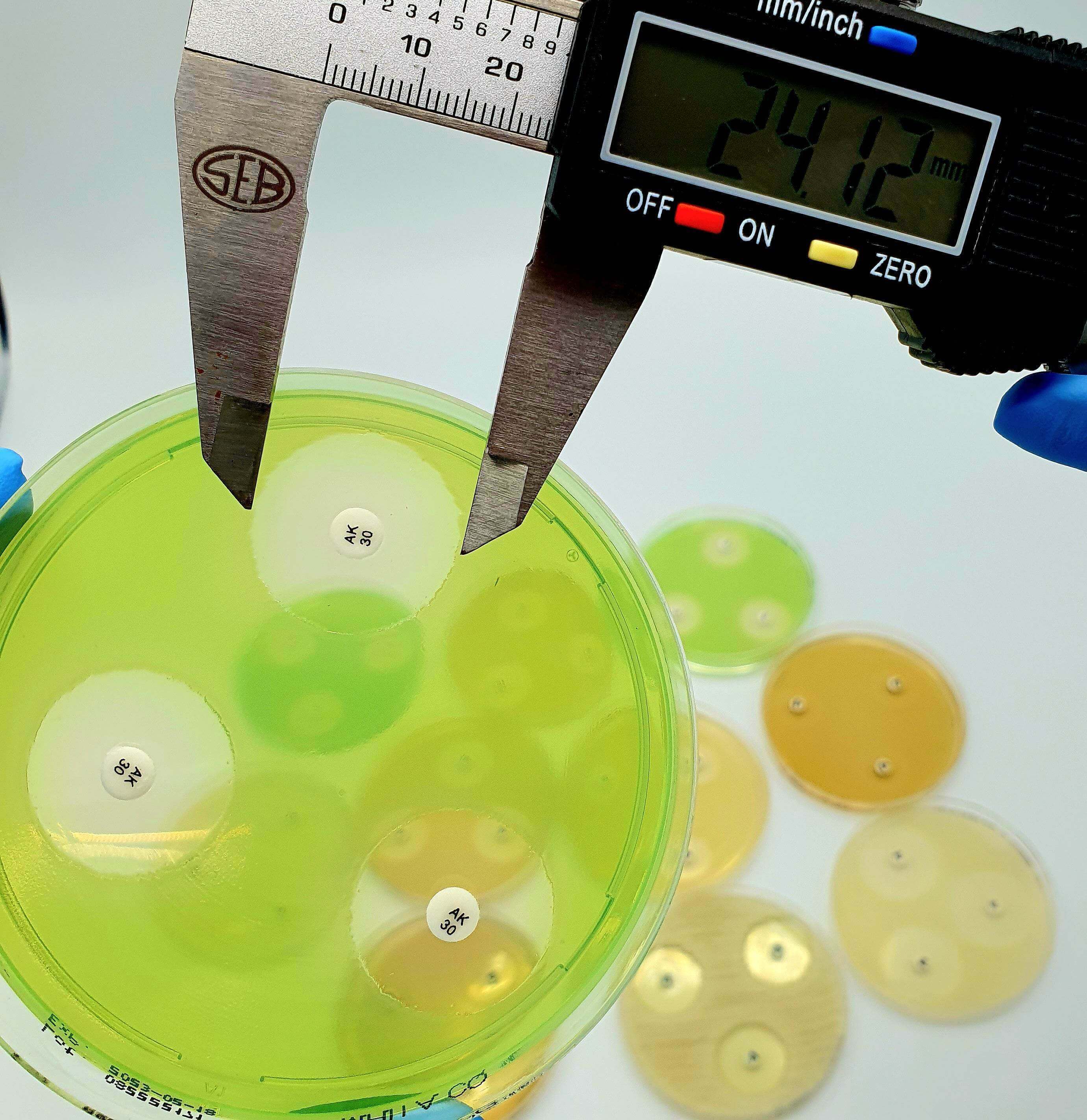
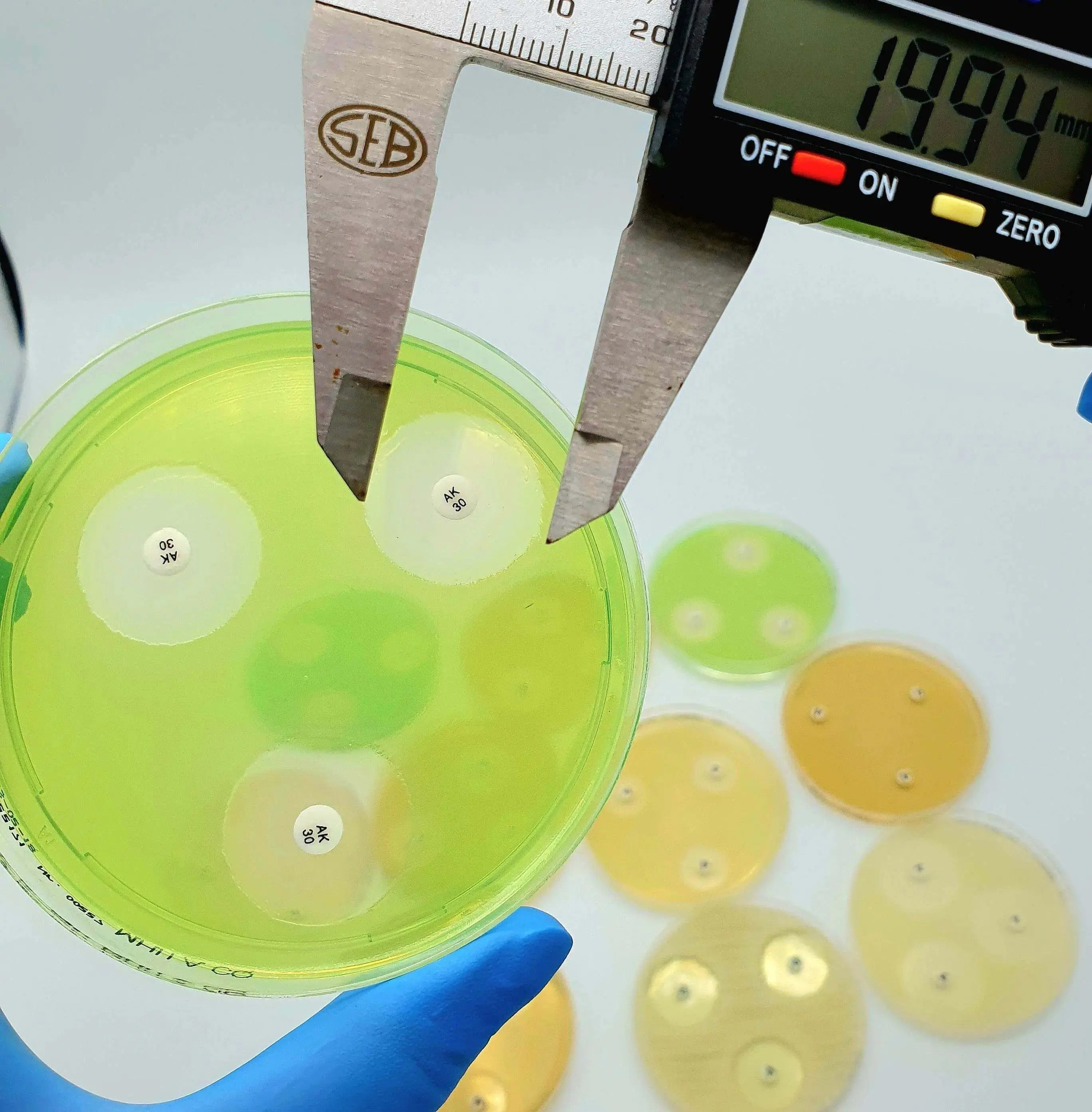
- At the end of the incubation period, measure the inhibition halos and compare them with the standard CLSI inhibition halo diameters
- Pinpoint microcolonies at the zone edge or large colonies within a zone are encountered frequently and should be ignored
- In the case of mixed colonies, strains must be purified on blood medium or Sabouraud Dextrose Agar before being swabbed on the susceptibility test plates
Specifications
- Storage (unopened): −20°C to +8°C until expiry date. Some products must be stored at −20°C maximum — refer to product label
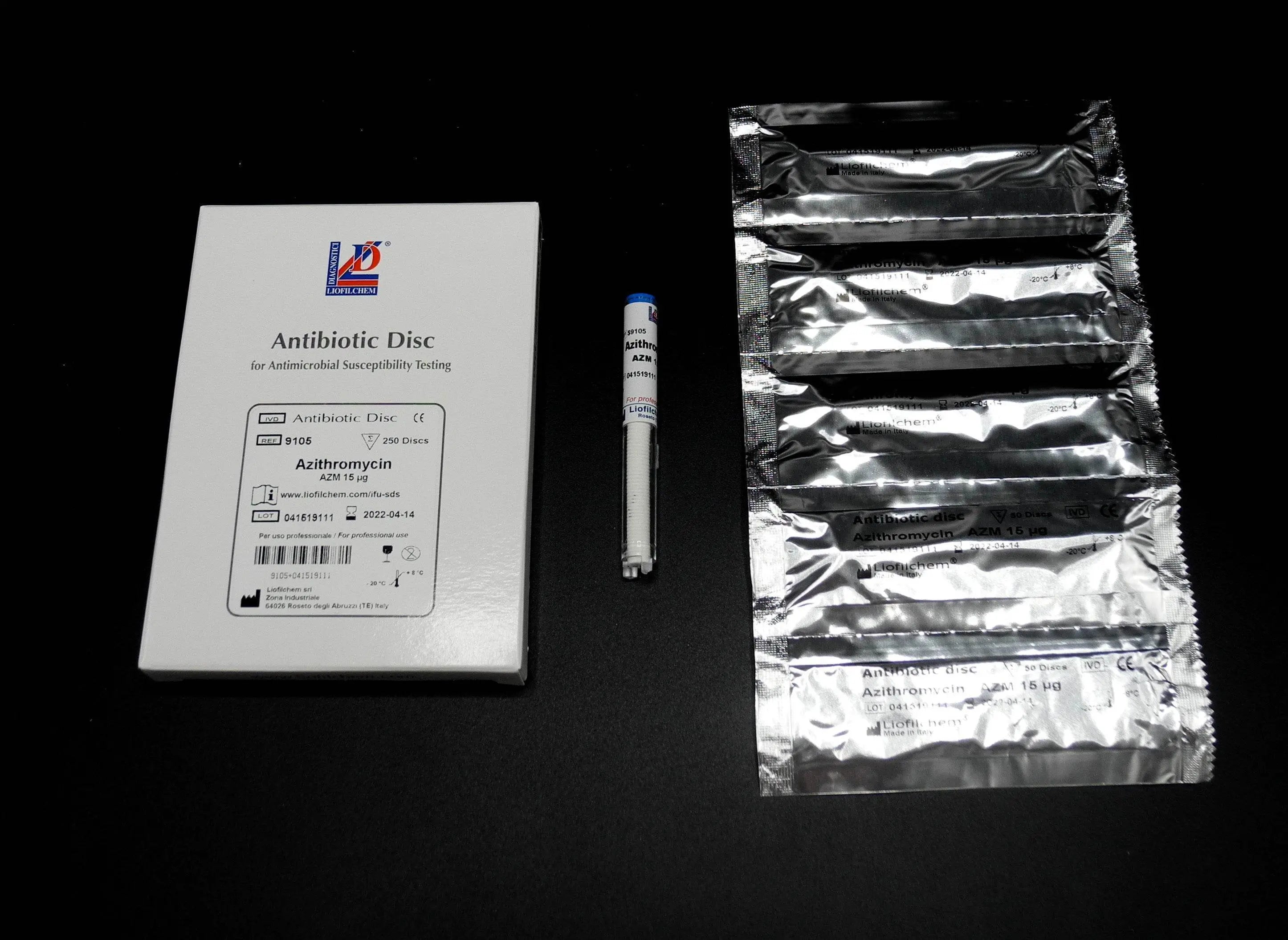
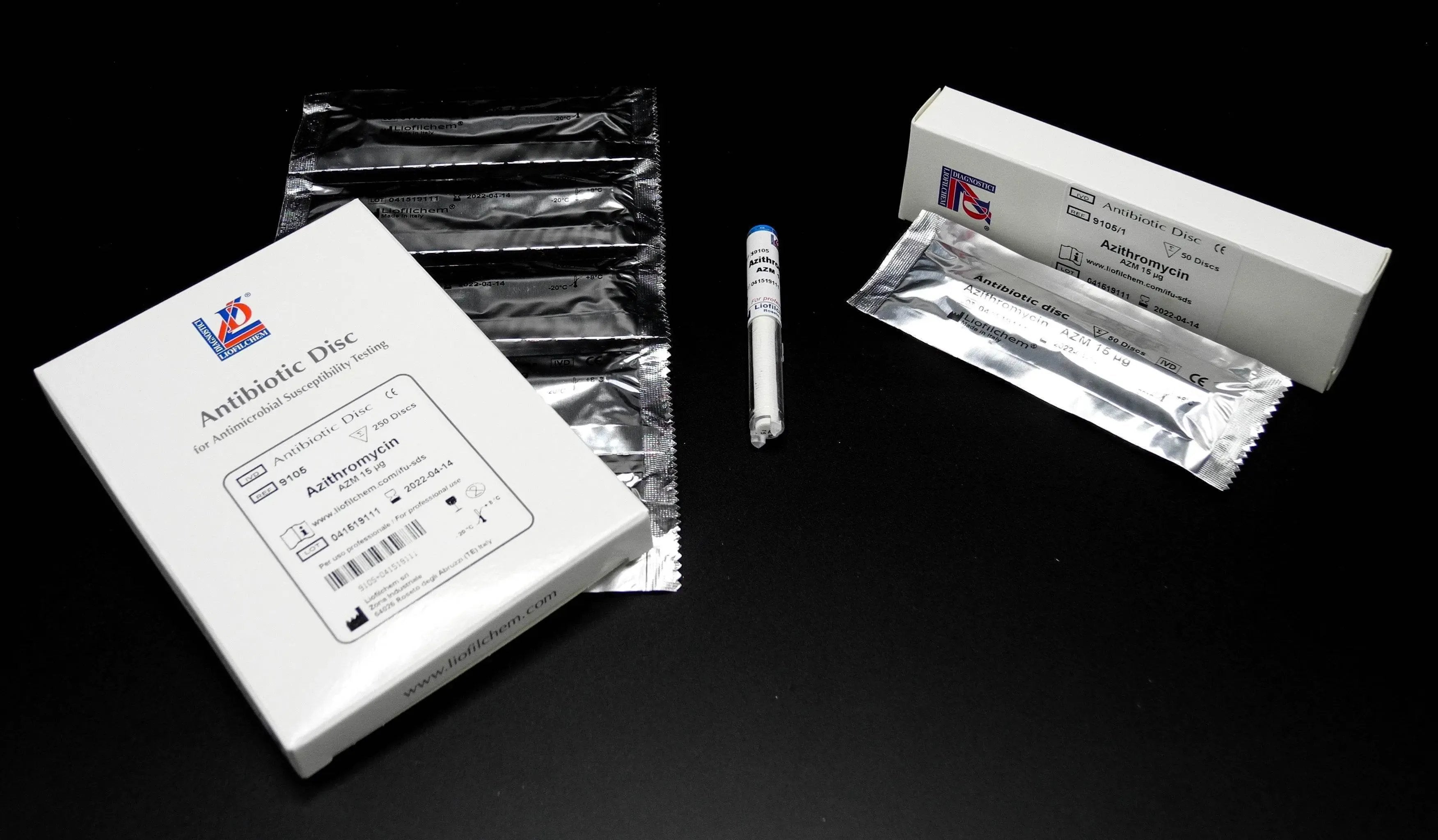
- Storage (opened cartridge): 2–8°C for no more than 7 days. Return cartridge to its desiccant envelope and resealable bag
- Storage (opened canister): Label storage temperature for up to 2 months from first opening
- Available formats: 1 cartridge × 50 discs (add /1 to catalogue reference); 5 cartridges × 50 discs — 250 discs total (standard pack)
- Intended use: For professional in vitro diagnostic use only. Not for human or veterinary therapeutic use
- Quality control strains: Candida albicans ATCC 90028; Candida parapsilosis ATCC 22019; Candida tropicalis ATCC 750; Candida krusei ATCC 6258
- Standards: CLSI Guideline M44 (3rd ed., 2018); CLSI Supplement M60 (2nd ed., 2020)
Payment & Security