


Description
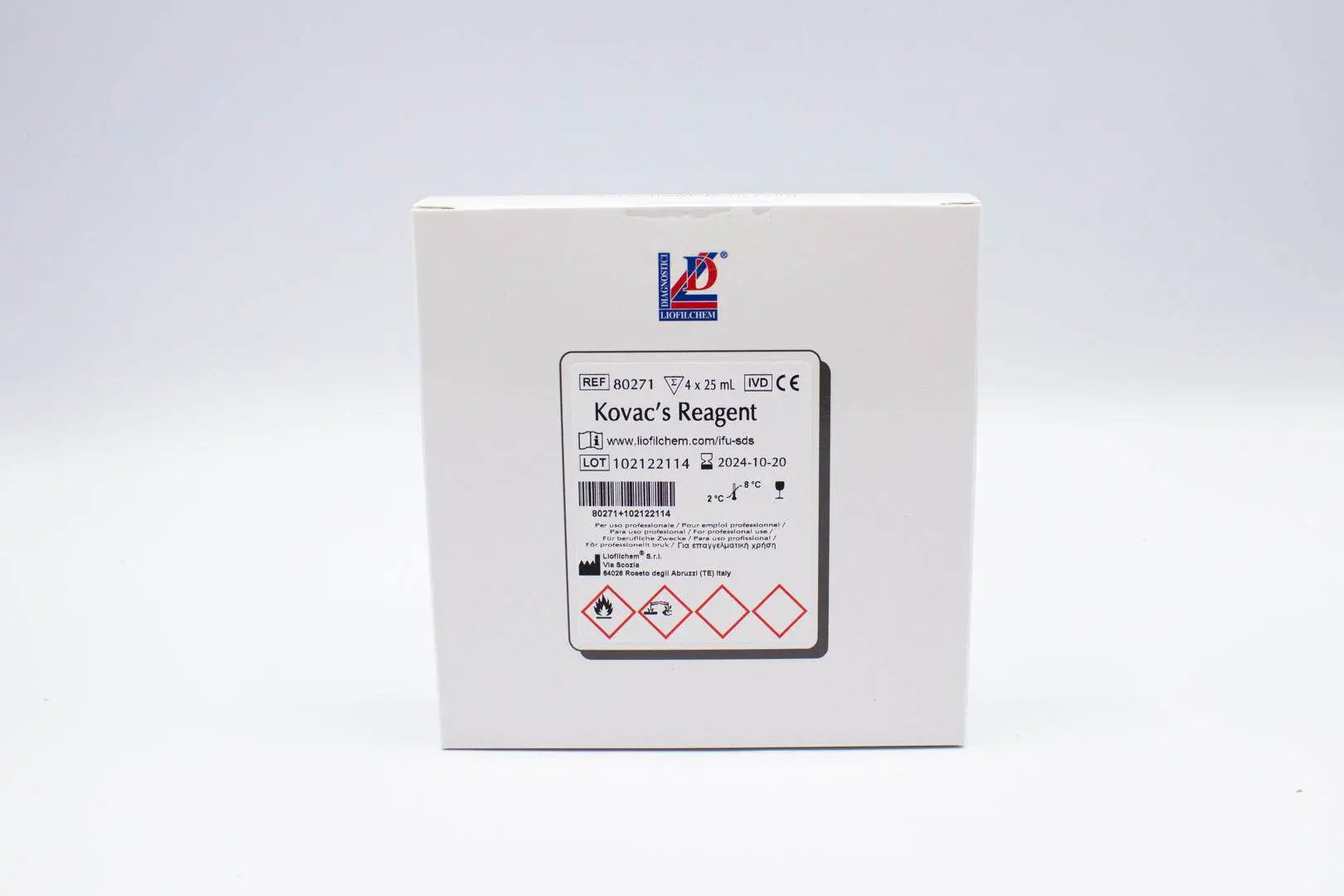
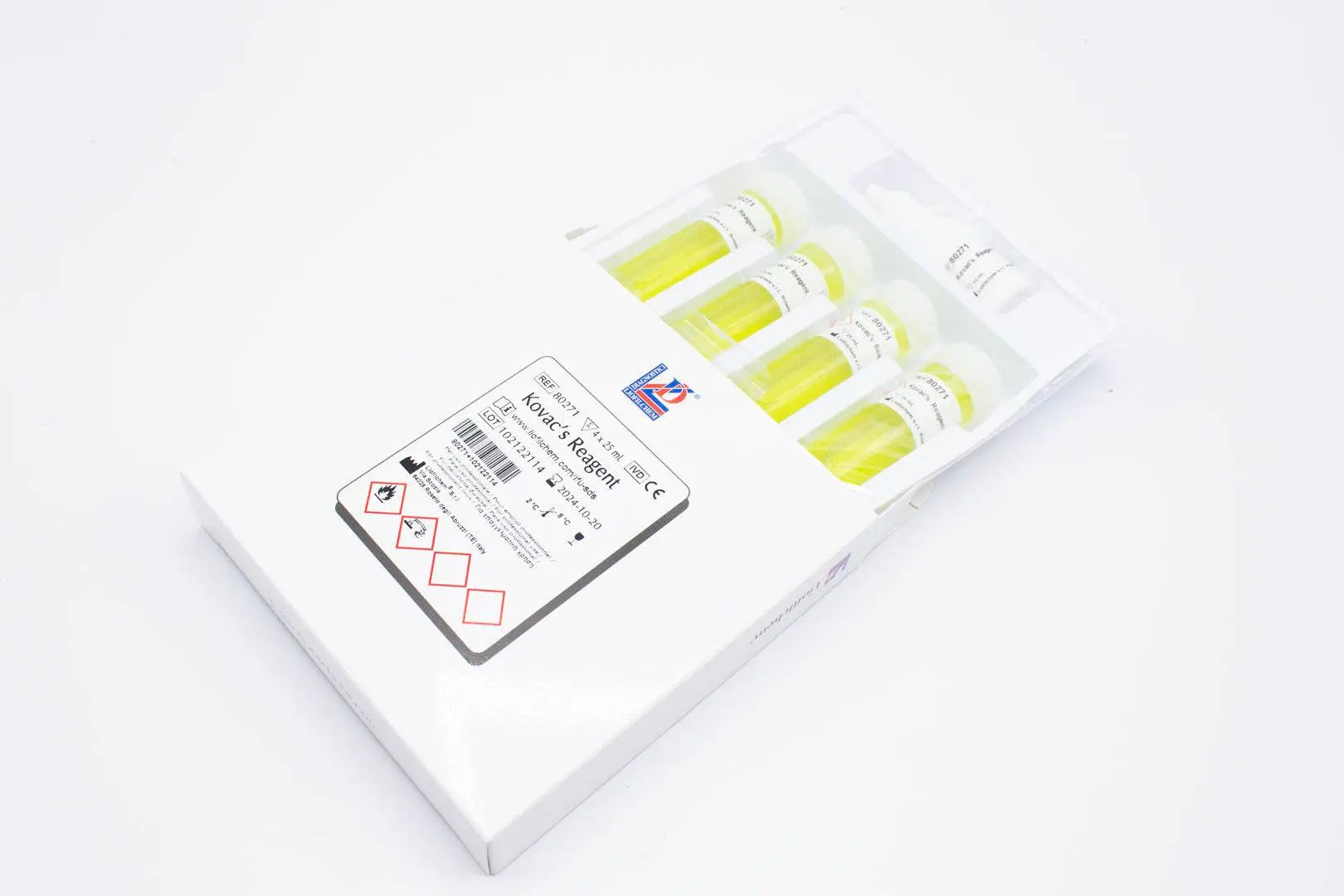
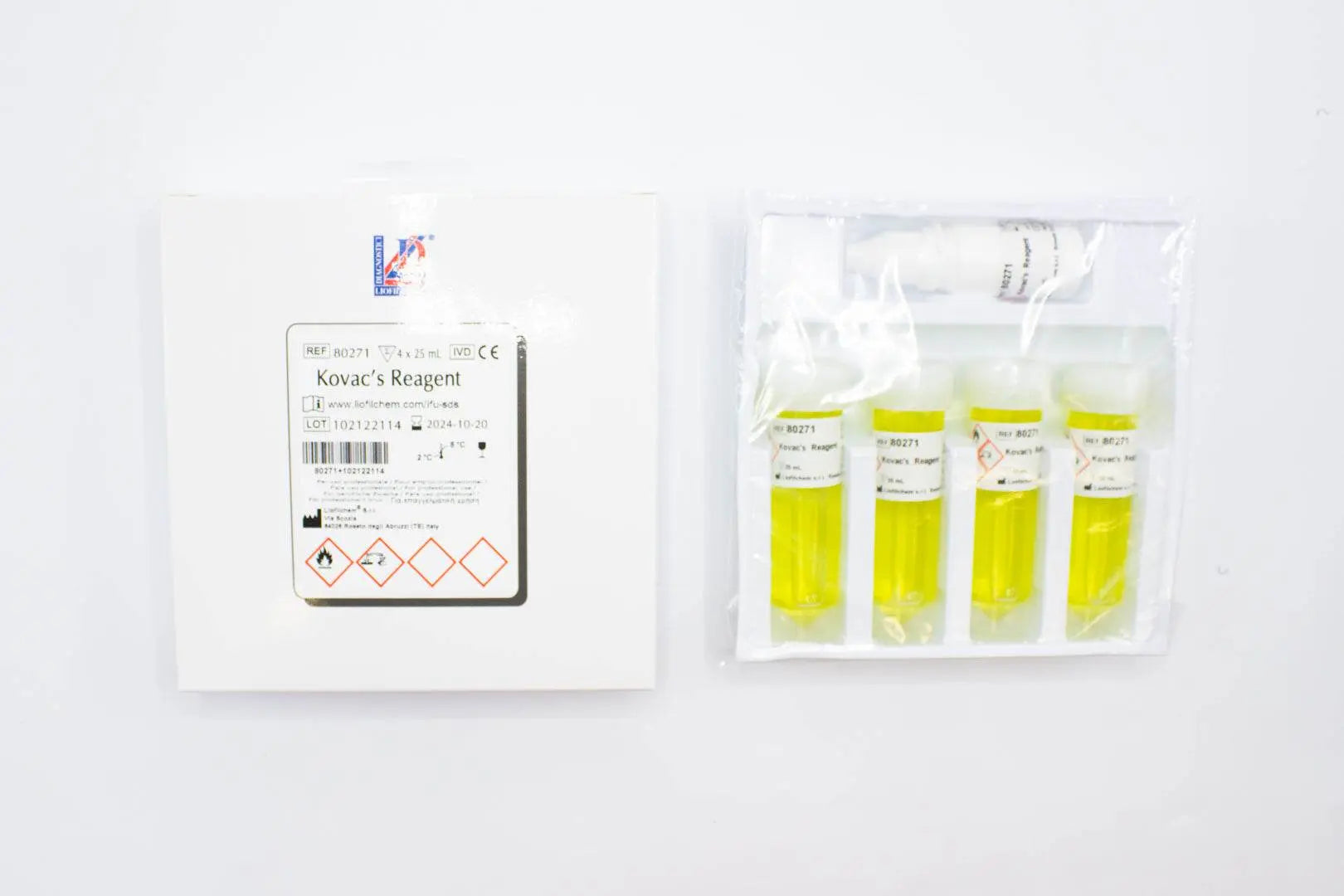
Liofilchem H2O2 Reagent 80057
Liofilchem H2O2 Reagent 80057 is a Liofilchem Microbiology Supplies for microbiology culture and organism detection workflows.
H2O2 / Catalase Reagent - Rev.1 / 13.05.2024. . Description. H O / Catalase Reagent is a reagent for microbiological use made of a H O solution, for the performance of the 2 2 2 2 catalase test. KIT CONTENT • 1 vial of H O solution (5 ml) 2 2 METHOD PRINCIPLE Hydrogen peroxide, final product of aerobic metabolism of carbohydrates, is extremely toxic for bacteria. Catalase-positive microorganisms, containing the enzyme catalase, break down hydrogen peroxide into water and oxygen. Except for Streptococci, most of aerobe and facultative anaerobe microorganisms have catalase activity. Catalase reagent shows the presence of enzyme catalase with.
Key specifications
- Brand / Manufacturer: Liofilchem
- Manufacturer Catalog No.: 80057
- Product Type: Microbiology Supplies
- Pack / Size: 5 ml
- Product Category: Business & Industrial > Science & Laboratory > Laboratory Chemicals
- Application: microbiology culture and organism detection workflows
- Use: Professional laboratory use only unless otherwise stated by the manufacturer.
Documentation
Documentation noted for this item: MSDS IFU Request a QC certificate for a Batch no. Confirm the latest SDS/MSDS, IFU, certificate, COA, or technical sheet before purchase when required for your laboratory documentation process.
For storage conditions, product documentation, or any additional technical details, please contact us and we will be happy to provide the available information.
Payment & Security