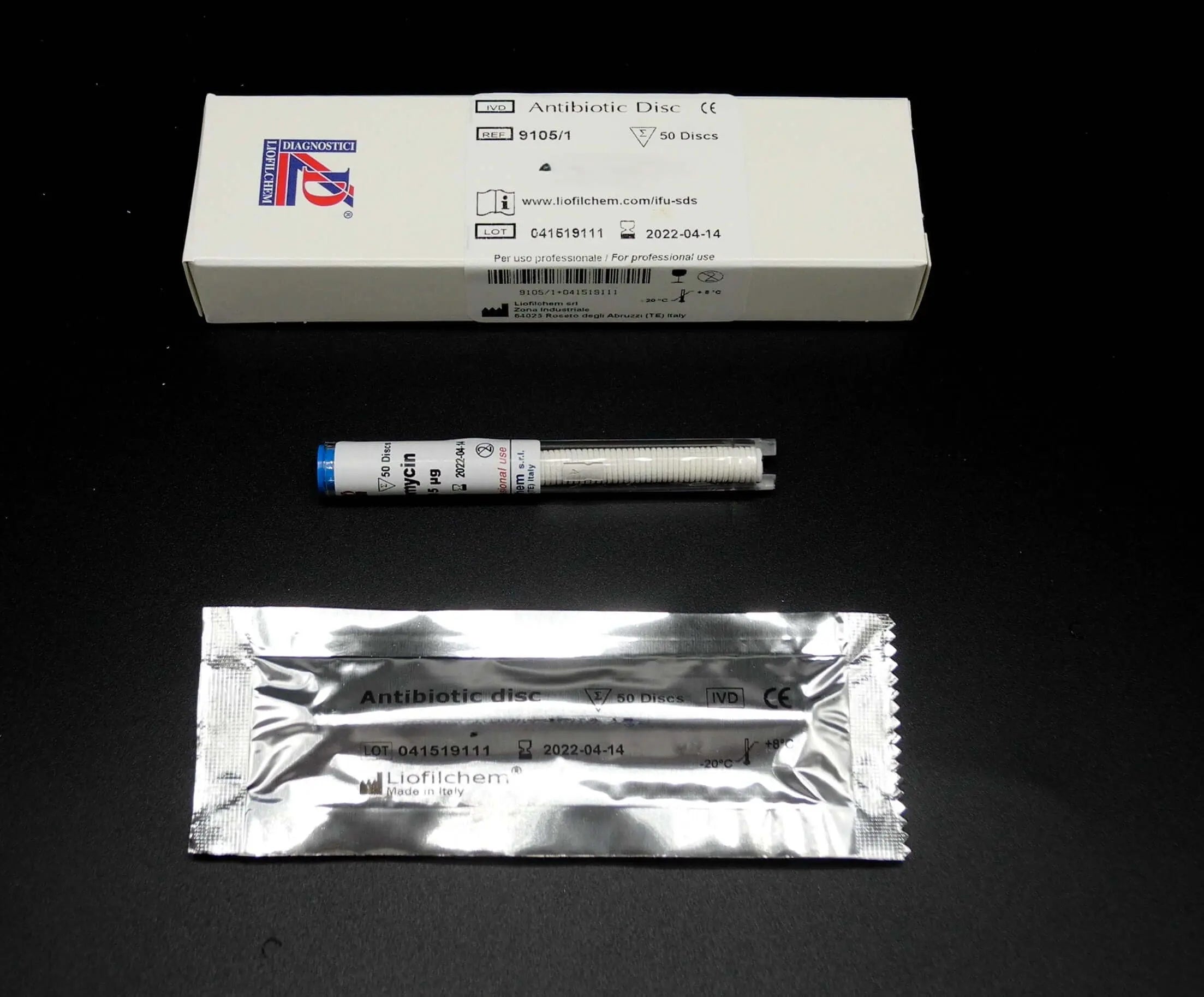
Understanding AST – Antibiotic Susceptibility DISC
Antibiotic Susceptibility DISC
What is AST?
AST, or Antibiotic Susceptibility Testing, is essential in medical microbiology. It helps determine which antibiotics can effectively treat bacterial infections. By using the DISC method, healthcare professionals can identify the effectiveness of various antibiotics against specific bacteria. This process ensures that patients receive the right treatment, which enhances recovery and minimizes the risk of resistance. Understanding AST is crucial for accurate diagnosis and effective therapy.
How Does the DISC Method Work?
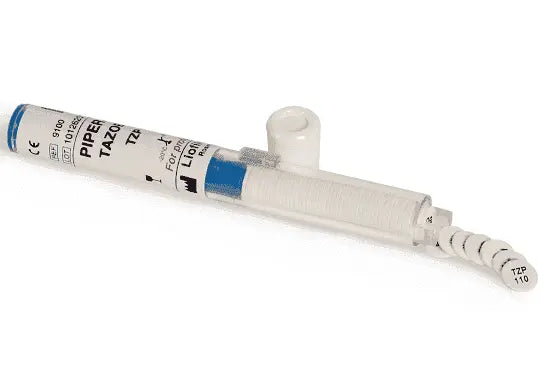
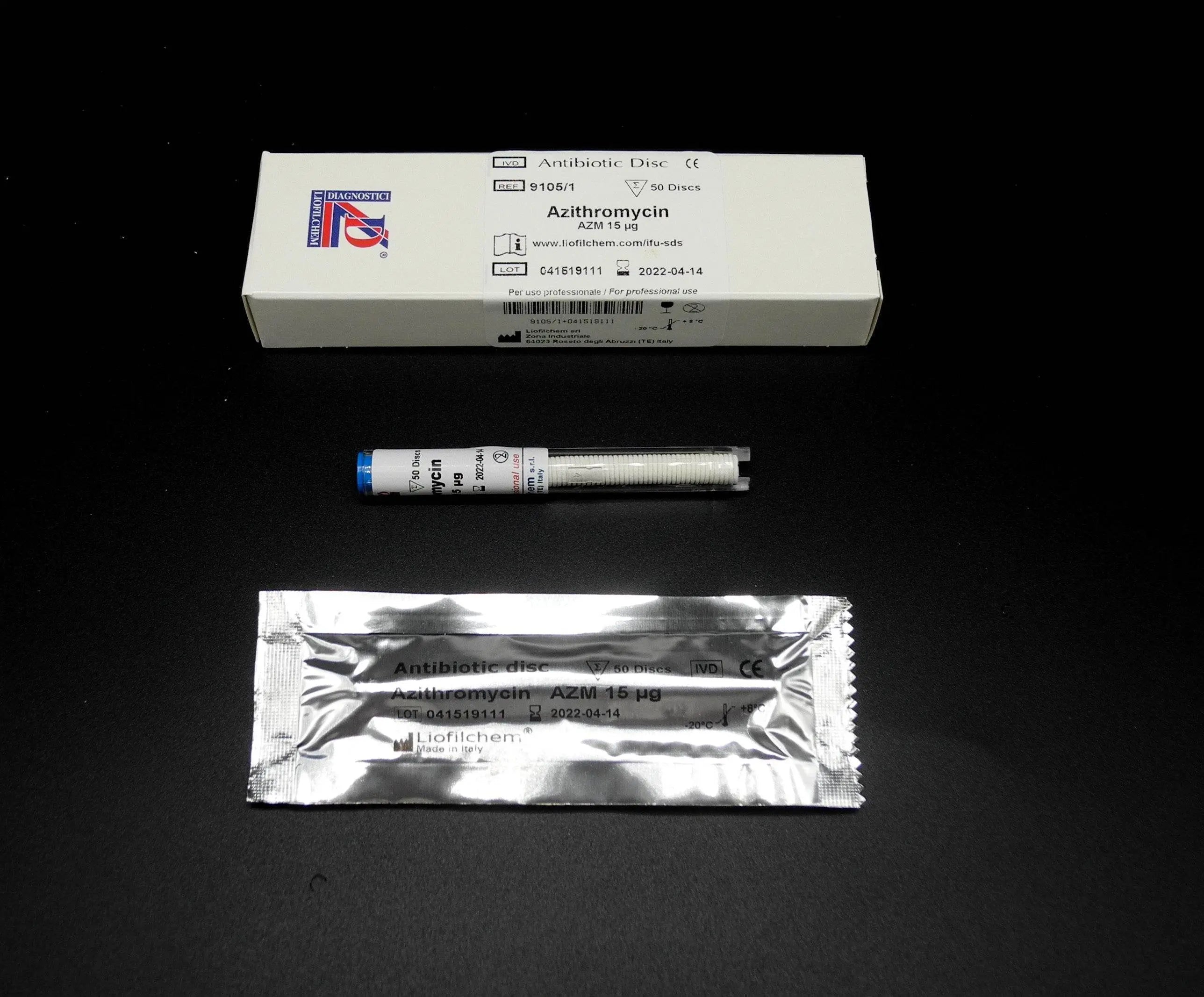
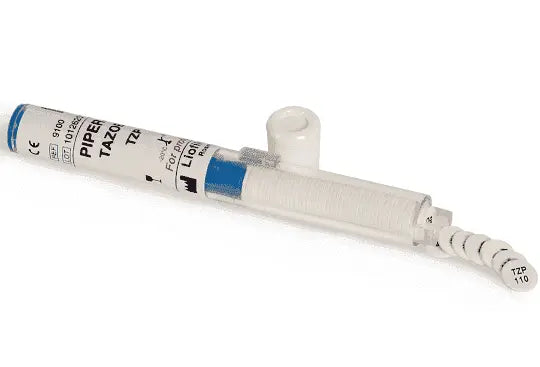
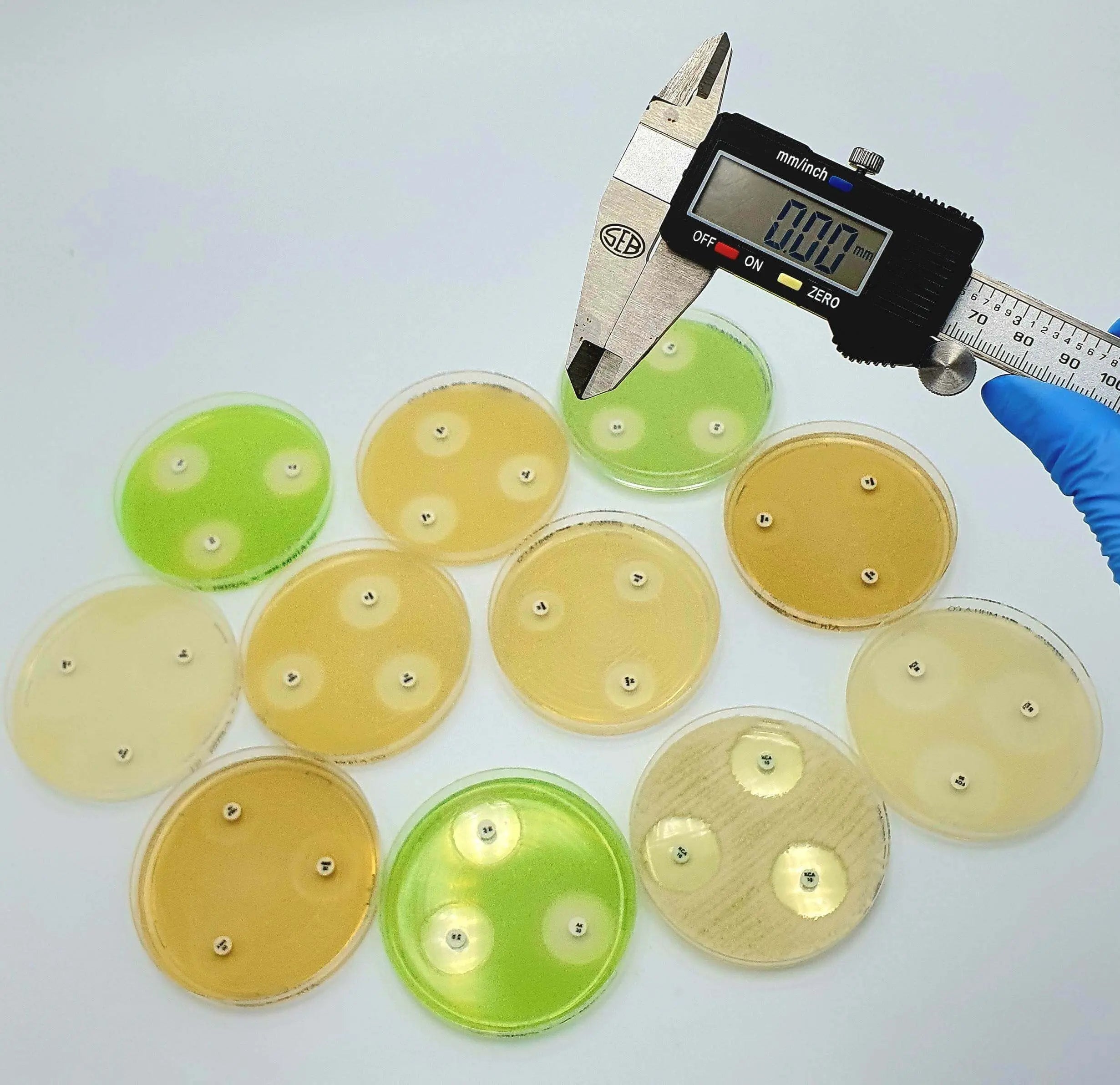
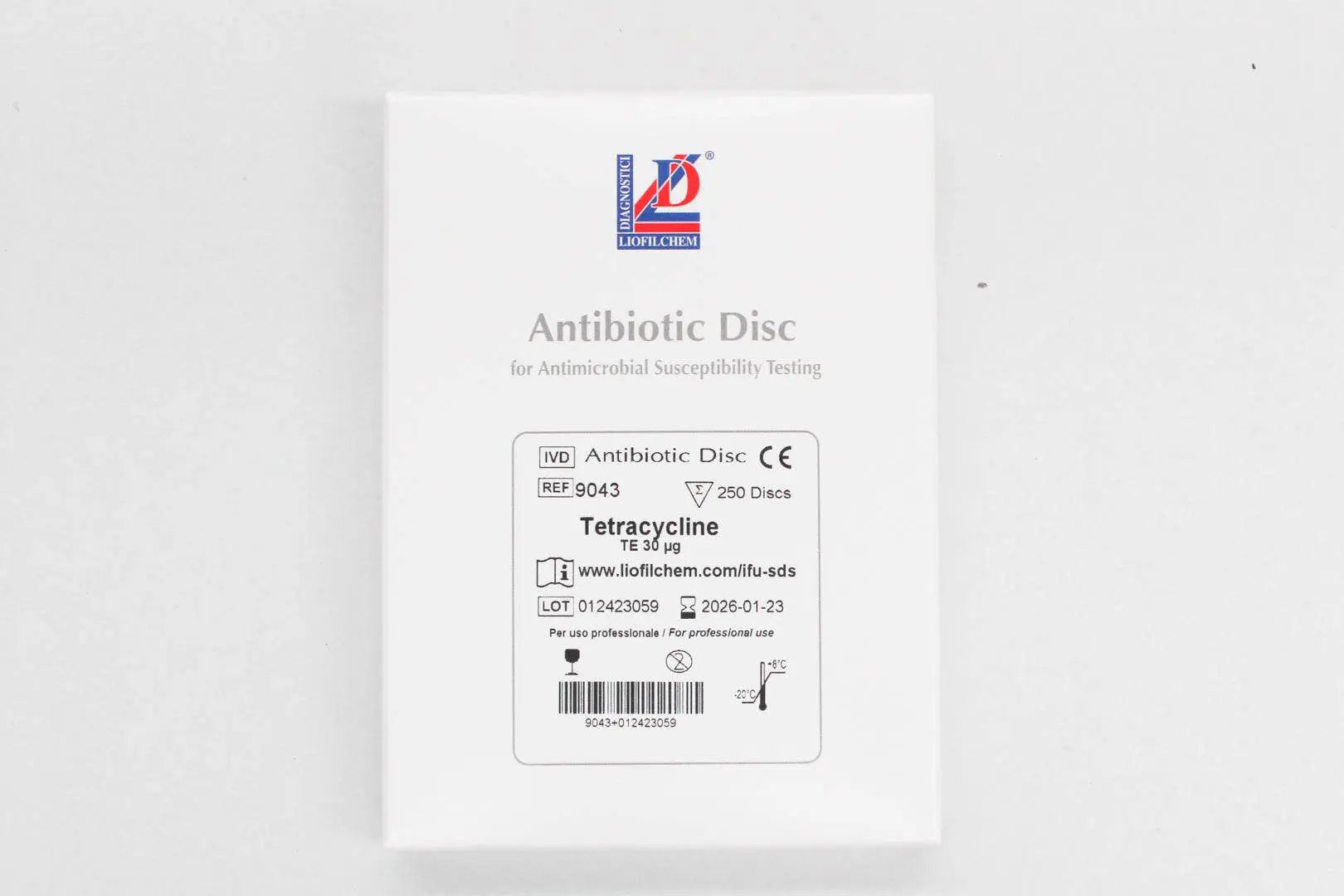
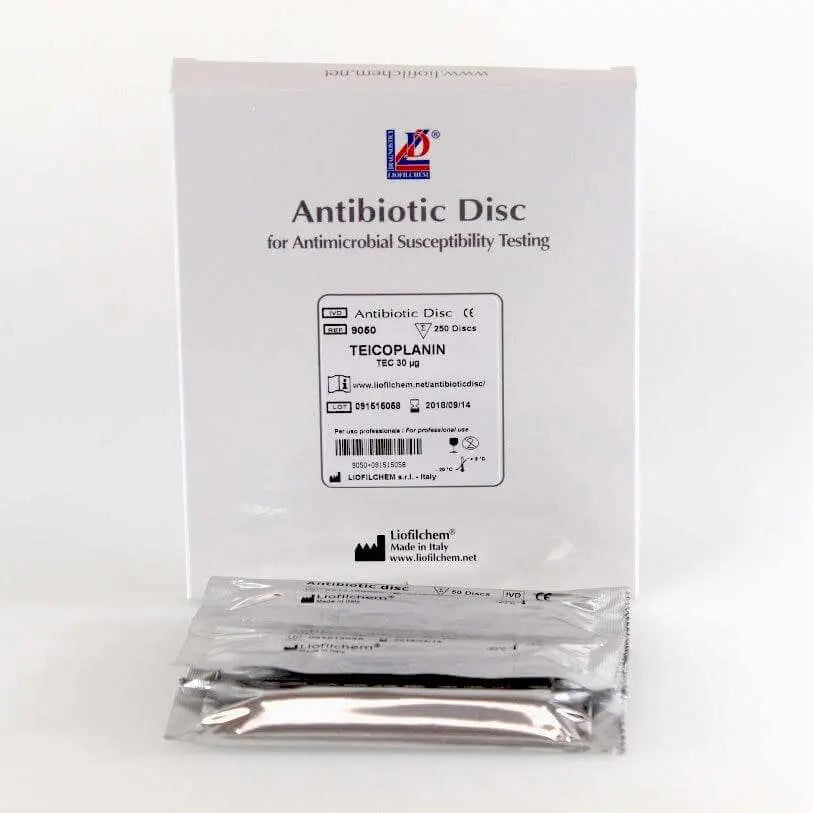
The DISC method involves placing antibiotic-impregnated discs on a culture of bacteria. As the bacteria grow, they may encounter the antibiotics from the discs. If an antibiotic is effective, it will inhibit bacterial growth, creating a clear zone around the disc. This clear zone, known as the inhibition zone, helps determine the susceptibility of the bacteria to that antibiotic. Thus, healthcare providers can choose the best treatment plan for their patients based on these results.
The Importance of Antibiotic Susceptibility Testing
Antibiotic Susceptibility Testing is vital because it reduces the misuse of antibiotics. Misuse can lead to antibiotic resistance, a significant public health threat. By understanding which antibiotics work against specific bacteria, doctors can prescribe more accurately. This not only improves patient outcomes but also helps in the fight against antibiotic resistance. Therefore, AST is crucial for safe and effective treatment in healthcare settings.